By Gary Baker
October 1, 2026
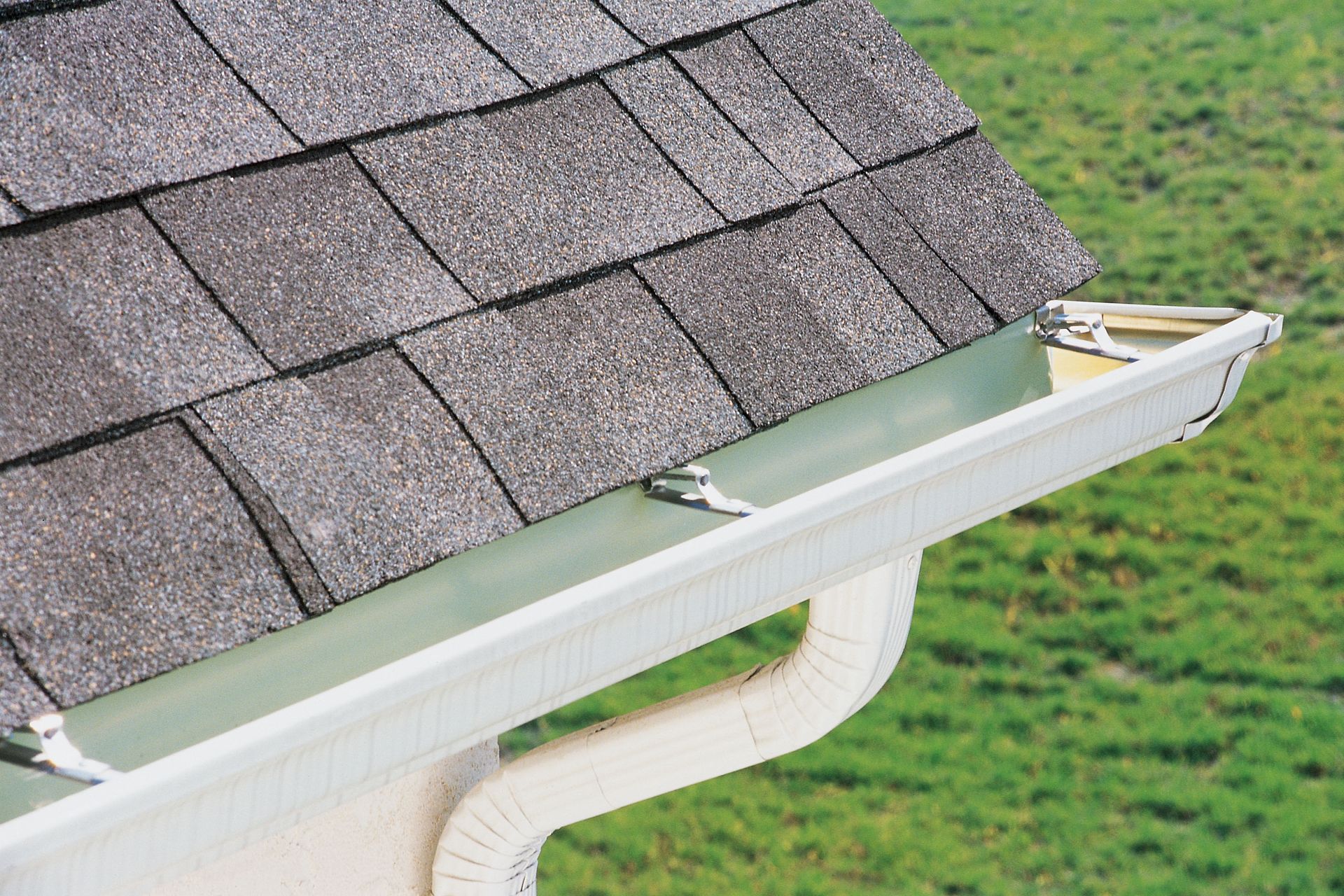
Gutters play an important role in managing rainwater around a home. Without a functioning drainage system, water can collect near the roofline, run down exterior walls, pool around the foundation, and contribute to problems in landscaping or basement areas. A properly designed gutter system helps move water away from vulnerable parts of the property and reduces the chance that repeated rainfall will cause gradual damage. Local gutter contractors can inspect existing gutters, recommend improvements, and help homeowners address drainage concerns before they become more serious. Understanding how gutters protect different parts of a home can make it easier to recognize why installation, maintenance, and timely repairs matter. When gutters are kept clear and properly positioned, they can support the overall condition of the roof, siding, foundation, and surrounding property.
Directing Water Away From the Roofline
One of the primary functions of gutters is to collect rainwater as it runs off the roof and direct it toward downspouts. Without gutters, water can fall directly along the edge of the home, saturating fascia boards, trim, and nearby surfaces. Repeated exposure can contribute to deterioration over time, especially in areas where storms are frequent or heavy. Gutters create a controlled path that helps move water away from these vulnerable edges.
Local gutter contractors can evaluate whether the gutter system is properly sized and positioned for the roof. If gutters are too small, poorly pitched, or pulling away from the fascia, water may overflow or miss the system entirely. Correcting those issues can improve drainage and reduce the amount of moisture that remains near the roofline. Properly functioning gutters also help keep runoff from splashing back against siding and exterior trim.
Protecting the Foundation From Excess Moisture
Water that repeatedly collects near the base of a home can create long-term problems. Saturated soil may expand, shift, or remain excessively wet, which can place pressure on foundation walls and increase the chance of moisture intrusion. Even homes without basements can experience concerns when water consistently pools close to the structure. Gutters and downspouts help reduce this risk by carrying roof runoff farther away from the foundation.
Downspout placement is especially important because collected water still needs a safe discharge point. Local gutter contractors can help determine whether extensions, splash blocks, or other drainage solutions are needed to move water farther from the home. The goal is to prevent water from being deposited directly beside the foundation. Consistent drainage can help protect the surrounding soil and reduce the amount of moisture pressing against below-grade surfaces.
Reducing Water Exposure on Siding
Siding is designed to handle normal weather exposure, but repeated streams of water can still create problems. When gutters overflow or are missing, rainwater may run down exterior walls and enter gaps around windows, trim, joints, or damaged sections. Over time, this extra moisture can contribute to staining, deterioration, peeling paint, or water reaching materials behind the siding.
A well-maintained gutter system helps keep large volumes of water from flowing directly over exterior walls. Local gutter contractors can inspect for sections where overflow is occurring and identify whether clogs, improper slope, loose hangers, or undersized gutters are contributing to the problem. Keeping runoff contained within the gutter system can reduce repeated moisture exposure and help exterior surfaces remain in better condition.
Preventing Erosion Around the Property
Roof runoff can hit the ground with considerable force, especially during heavy rain. Without gutters, that water may wash away mulch, soil, grass, or gravel around the perimeter of the home. Over time, erosion can create low spots where even more water collects. This can affect landscaping, expose roots, and change the grade around the structure in ways that encourage water to move toward the house.
Gutters help reduce this concentrated impact by directing water through downspouts to a more controlled location. When the drainage path is properly planned, runoff can be released where it is less likely to disturb soil or plantings. Managing erosion is important not only for appearance but also for maintaining proper grading around the home. Stable soil helps support drainage patterns that move water away from the foundation instead of toward it.
Limiting the Risk of Basement Moisture
Basements can be especially vulnerable when large amounts of water collect near the foundation. Moisture may enter through small cracks, joints, windows, or other openings, particularly after periods of heavy rainfall. Even when visible water does not enter, persistent dampness can contribute to musty odors, staining, and conditions that make the space less comfortable or usable.
Keeping gutters clear is an important part of reducing this risk. According to The Spruce, homeowners should make gutter cleaning a priority twice each year, typically once during spring and again during fall. Removing leaves, twigs, and debris helps prevent blockages that can cause water to spill over the sides instead of moving through the downspouts. Local gutter contractors can also identify drainage issues that may be directing too much runoff toward basement walls.
Preventing Damage to Fascia and Soffits
Fascia boards and soffits sit near the roof edge, which means they can be directly affected by gutter problems. When gutters clog or overflow, water may back up against these materials or spill behind the gutter system. Repeated moisture exposure can contribute to rot, staining, peeling finishes, or deterioration. Once damage begins, repairs may extend beyond the gutters themselves.
Secure attachment and proper slope can help prevent these problems. Local gutter contractors can check whether gutters are sagging, separating from the fascia, or holding standing water. Addressing these issues early can reduce the amount of moisture reaching roof-edge materials. Maintaining gutters also helps prevent excessive weight from wet debris, which can strain fasteners and pull sections away from the home.
Managing Heavy Rain More Effectively
Heavy storms can quickly overwhelm a gutter system that is clogged, undersized, or poorly maintained. When water cannot move through the system fast enough, it may overflow at the roof edge, collect near entrances, or pour into landscaping. Repeated overflow can increase the risk of damage to exterior surfaces and create drainage problems around the property.
A properly functioning system should be able to collect and direct runoff efficiently during periods of significant rainfall. Local gutter contractors can inspect gutter dimensions, downspout placement, and slope to determine whether the system is capable of handling the amount of water coming from the roof. In some situations, additional downspouts or larger components may improve performance and reduce overflow during storms.
Maintaining the System for Long-Term Protection
Gutters cannot provide reliable protection if they are neglected. Leaves, pine needles, roof granules, twigs, and other debris can accumulate and block water flow. Fasteners may loosen, seams can leak, and sections can shift over time. Regular inspection gives homeowners a chance to identify small issues before they become larger drainage problems.
Maintenance may include cleaning, resealing joints, securing loose sections, correcting slope, and checking downspout discharge points. A professional inspection can also reveal damage that is difficult to see from the ground. Keeping the gutter system in good condition supports consistent water management throughout the year and can reduce the likelihood that preventable moisture problems affect other parts of the home.
Gutters help protect a home by directing rainwater away from the roofline, siding, foundation, landscaping, and other vulnerable areas. They can reduce erosion, limit basement moisture, protect fascia and soffits, and improve drainage during heavy storms. Regular cleaning and inspection are important because even a well-designed system can lose effectiveness when debris builds up, or components become loose or damaged. Local gutter contractors can help homeowners identify drainage problems, make necessary repairs, and keep the system functioning properly over time. For professional help with gutter installation, maintenance, or repairs, contact Custom Rain Gutters.